
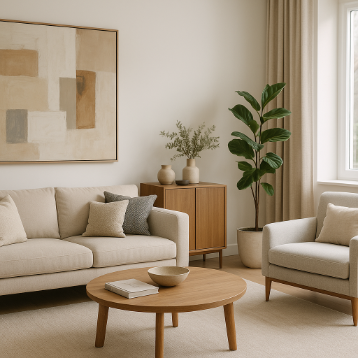
Choosing an interior designer is not simply a matter of taste. It is a decision that affects how your home functions, how comfortable it feels day to day, and how confidently you invest in every finish, furnishing, and layout decision. When people search for interior design Dublin services, they are often balancing several goals at once: improving the look of a space, solving practical frustrations, and making sure the final result feels personal rather than generic. The best designer will bring clarity to all three.
Start with your home, not the portfolio
Before you compare designers, take time to define what your home actually needs. Some households need a full redesign that rethinks layout, lighting, storage, and furniture. Others need a more focused intervention, such as a living room that feels disconnected, a kitchen that lacks flow, or a bedroom that never became restful. The clearer you are about the problem, the easier it is to identify the right professional.
It helps to write a short brief for yourself before any consultation. Include the rooms involved, the way you use them, the atmosphere you want to create, and any practical constraints. Period homes, new builds, compact city apartments, and family houses on the outskirts of Dublin all demand different design responses. A good interior designer will not force one signature look onto every property. Instead, they will read the building, the people living in it, and the level of change that is realistic.
Your budget should also be considered early. This does not mean having every figure fixed from the start, but it does mean understanding the range within which you feel comfortable. A well-run project can protect you from costly mistakes, but only if the designer knows the scale they are working within. Honest conversations about priorities are far more useful than vague ambitions.
Review interior design Dublin portfolios with a critical eye
A portfolio should do more than look beautiful. It should show evidence of thoughtful problem-solving, proportion, material awareness, and consistency in execution. When reviewing projects, look beyond styling details and ask whether the designer creates spaces that seem livable, coherent, and suited to the architecture.
If you are comparing studios online, a specialist in interior design Dublin should be able to show residential work that feels resolved from the larger layout decisions down to the finishing touches. Pay attention to how rooms are lit, how colours are layered, and whether furniture choices appear appropriate to the size and purpose of the space.
It is also wise to look for range. A talented designer may have a recognisable point of view, but their projects should still respond to different clients and different types of homes. If every room looks nearly identical, the process may be more about imposing a formula than creating a home that reflects your life.
For homeowners who value a refined residential approach, House Iconic Ireland | Interior designer Dublin is an example of a studio worth considering among your shortlist. The key is not to choose based on prestige or presentation alone, but on whether the work suggests care, restraint, and a genuine understanding of how people live.
Ask better questions before you hire
The initial consultation is your opportunity to test more than style compatibility. You are assessing communication, listening skills, organisation, and whether the designer can translate broad preferences into a structured plan. The best meetings often leave you feeling both understood and challenged in a useful way.
Rather than asking only whether a designer can work in your preferred style, ask how they approach decision-making. How do they develop a concept? How do they balance aesthetics with practicality? How involved will you be at each stage? What happens if your priorities shift midway through the project? These questions reveal how the relationship is likely to work in practice.
- Scope: What exactly is included, from concept design to sourcing, procurement, and installation?
- Experience: Have they worked on homes of similar age, size, or complexity?
- Collaboration: Do they coordinate with architects, builders, and trades where needed?
- Decision process: How are materials, furnishings, and finishes presented for approval?
- Timeline: What stages should you expect, and what can affect delivery?
- Communication: How often will you receive updates, and who will be your main contact?
Trust your instincts here. A strong designer should be decisive without being dismissive, creative without being vague, and practical without reducing the project to a checklist. Good design is collaborative, but it still requires leadership.
Understand fees, process, and where value really lies
Interior design fees can be structured in different ways, and none is automatically better than another. What matters is transparency. You should understand how the designer charges, what that fee covers, and which project costs sit outside it. Ambiguity at this stage often leads to tension later.
The broader process matters just as much as the fee itself. A designer with a clear workflow usually manages time, decisions, and suppliers more effectively. That structure becomes particularly important in larger projects where delays in one area can affect several others.
| Area to Clarify | What to Ask | Why It Matters |
|---|---|---|
| Design Fee Model | Is the fee fixed, hourly, or linked to project scope? | Helps you compare proposals on a like-for-like basis. |
| Procurement | Will the designer source and order items on your behalf? | Affects convenience, lead times, and responsibility for follow-up. |
| Project Management | Do they oversee installation and coordinate trades? | Important if you want a cohesive finish and fewer logistical burdens. |
| Revisions | How many rounds of changes are included? | Sets expectations and avoids scope creep. |
| Purchases and Lead Times | When are orders placed, and how are delays handled? | Critical for budgeting and scheduling. |
Value in design is rarely about the lowest fee. It often comes from better planning, fewer expensive mistakes, smarter use of space, and a result that feels cohesive for years rather than months. A room that looks attractive in photographs but functions poorly is not good value. Neither is a scheme that ignores durability, maintenance, or the rhythms of family life.
Look for fit, professionalism, and long-term confidence
Once you narrow your shortlist, the final choice usually comes down to fit. This can sound intangible, but it is rooted in clear factors: whether the designer listens carefully, whether their ideas feel considered, whether their communication is prompt and professional, and whether you trust them to make informed decisions when choices become complex.
References, where available, can help, especially if they speak to reliability, organisation, and follow-through. You do not need extravagant praise; you need evidence that the designer handled the process well and delivered a home that met the brief. Review documents carefully too. A polished proposal, a clear scope of work, and an orderly presentation usually indicate a disciplined practice.
It is also worth considering how future-focused the designer is. Good residential design should age well. That does not mean avoiding character or personality. It means creating spaces with enough depth, material integrity, and practical intelligence to remain satisfying after trends shift. The right designer will know how to build that balance into the project from the beginning.
In the end, choosing the best interior design Dublin professional for your home is about more than style. It is about finding someone who can interpret your brief, respect your budget, guide decisions with confidence, and create rooms that support the way you actually live. When that combination is in place, the result is not just a more attractive home, but a better one to inhabit every day.
——————-
Check out more on interior design Dublin contact us anytime:
House Iconic Ireland | Interior designer Dublin
https://www.houseiconicinteriors.com/
Council Bluffs – Iowa, Ireland
